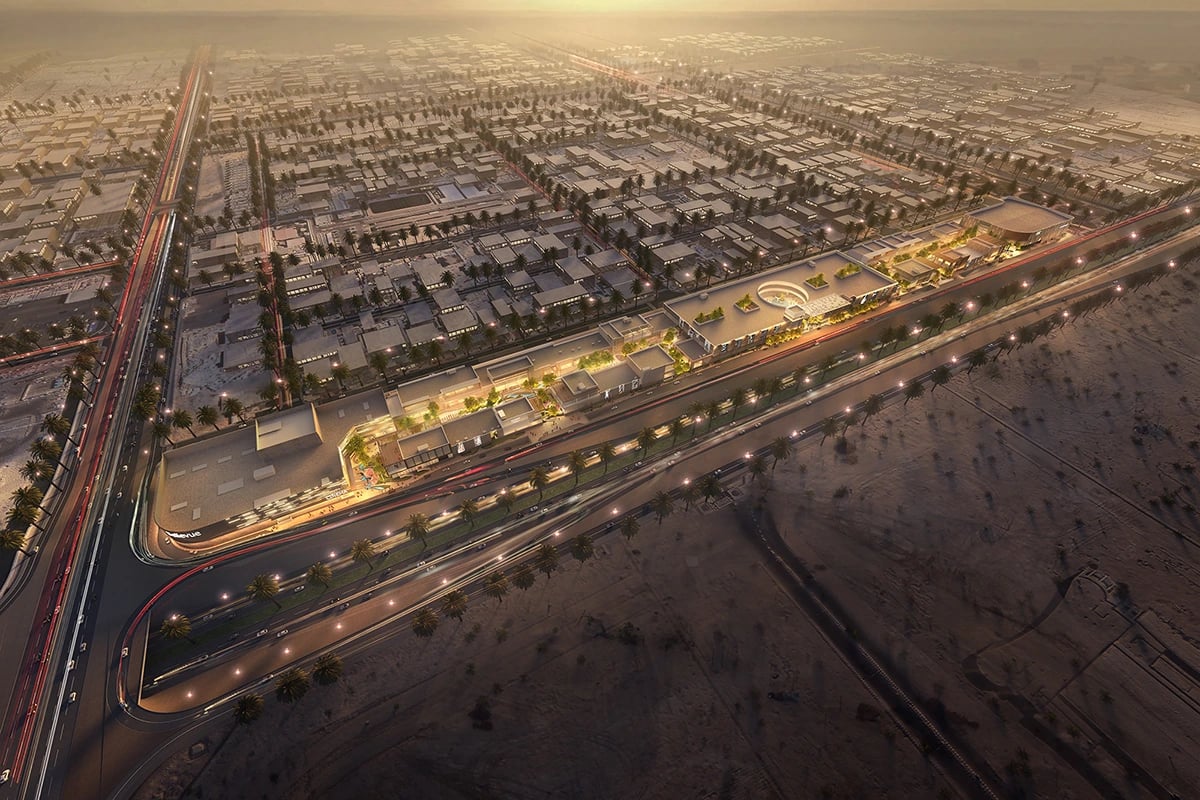
Saudi Arabia’s retail transformation is gaining momentum as lifestyle retail spaces in Riyadh and Jeddah prepare for explosive growth, with total supply set to reach 1.31 million square meters by 2027 — an increase of nearly 600,000 square meters from current levels.
This surge reflects the Kingdom’s broader economic diversification under Vision 2030 and signals a fundamental shift in consumer behavior that is reshaping the Middle East’s largest economy.
The expansion represents more than just square footage; it embodies Saudi Arabia’s ambitious pivot toward becoming a global retail and tourism destination.
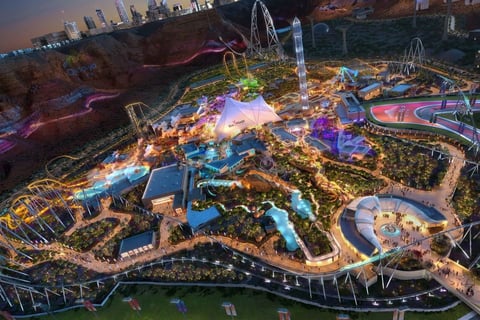
As traditional malls struggle to maintain relevance in an increasingly competitive landscape, lifestyle retail developments are emerging as the new frontier, offering immersive experiences that blend shopping with entertainment, dining, and community engagement.
The experience economy drives growth
The rise of lifestyle retail in Saudi Arabia mirrors a global trend but carries particular significance in a market where consumer spending has increased by 7 percent year-on-year to SAR 1.4 trillion.
This growth is being driven by a digitally savvy population, with 75 percent of retail spending expected to come from Saudi youth by 2035 as well as increasing consumer confidence in the kingdom’s economic future.
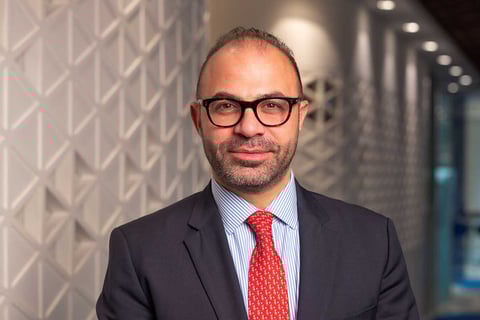
“With the integration of dining, outdoor spaces, art installations and interactive exhibits and events, lifestyle destinations have become more than just malls – they are vibrant community hubs,” explains Faisal Durrani, partner and head of research for MENA at Knight Frank. The consultancy’s latest data reveals that regular malls, once sufficient to capture consumer attention, now face the challenge of creating lasting customer loyalty in an oversaturated market.
This shift has profound implications for real estate developers and retailers alike. Shopping malls in Saudi Arabia have allocated nearly half of their gross leased area to non-retail activities, transforming these spaces from simple retail venues into social and cultural anchors that enhance the kingdom’s appeal as a leisure destination.

Riyadh as an emerging hub of retail innovation
Leading this transformation is Riyadh, where the lifestyle retail market currently encompasses 484,900 square meters across 27 developments. The capital’s retail sector demonstrates remarkable strength, with overall occupancy rates of 97 percent and food and beverage units averaging 76 percent occupancy.
Average lease rates of SAR2,400 per square meter underscore the robust demand for quality lifestyle retail space. The pipeline for new developments is equally impressive. By 2027, Riyadh’s total lifestyle retail supply is expected to reach 871,200 square meters, driven by 12 upcoming projects that will bring the total number of developments to 39.
Among the most significant additions is Al Hamra, which will add 89,230 square meters this year with its mix of high-end retail, dining, and entertainment in a pedestrian-friendly environment. The transformation extends beyond new construction to the reimagining of iconic spaces.
The city’s legendary Euromarche is being reinvented as Riyamarche, adding 21,840 square meters in 2026. Perhaps most ambitious is The Bellevue, Riyadh’s largest master-planned mixed-use project, which promises 90,000 square meters of shopping, dining, civic, and cultural experiences when it opens in 2027.
“All of the city’s flagship lifestyle developments are at 100 percent occupancy or very close to it,” notes Jonathan Pagett, partner and head of retail advisory for MENA at Knight Frank. This performance reflects not just local demand but Riyadh’s growing appeal to international visitors and expatriates drawn by the kingdom’s economic opportunities.
Jeddah’s coastal advantage
While Riyadh leads in scale, Jeddah is carving out its niche as a luxury and leisure destination. The Red Sea city’s lifestyle retail market added 24,100 square meters in the past year, increasing total completed space to 233,400 square meters across 17 developments.
The city’s strategic coastal location and status as a gateway for religious tourism provide unique advantages for lifestyle retail development. Jeddah’s market fundamentals remain strong, with average lease rates of SAR2,200 per square meter and overall occupancy at 81 percent.
The city’s crown jewel in development is the Jeddah Cove Waterfront project, which will add 70,000 square meters by 2027 as part of a wider 127,000 square meter lifestyle destination featuring dining options, 200 shops, a cinema, and a marina with views of the Formula 1 circuit.
The integration of entertainment and lifestyle retail is particularly evident in Jeddah, where developers are leveraging the city’s cultural heritage and coastal setting. The Delta mixed-use project, delivering 37,200 square meters this year, exemplifies this approach with outlets serving a premium hotel, serviced apartments, and office tower.
Contributions of luxury retail
The arrival of luxury branded experiences marks a significant milestone in the kingdom’s retail evolution. The opening of the Dior Café pop-up at the Saudi National Museum and Ralph’s Coffee at KAFD represents more than upscale dining — these venues signal Saudi Arabia’s integration into the global luxury ecosystem.
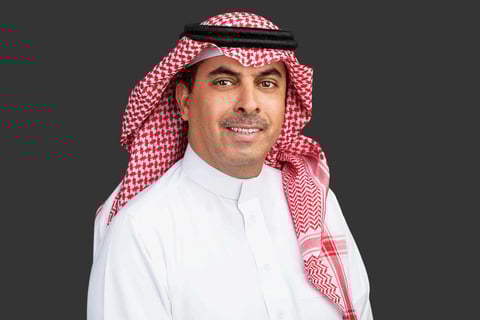
“The arrival of luxury branded cafes is in line with the government’s Vision 2030 initiative, which focuses on economic diversification and transforming the kingdom into a tourism hub,” observes Konstantinos Papadakis, associate partner for F&B Consultancy at Knight Frank. These developments position Saudi Arabia as a key location for global brands seeking Middle East expansion.
The trend extends beyond coffee to encompass the broader “retailtainment” phenomenon, where the fusion of retail and entertainment has become essential to the customer experience.
This evolution supports the kingdom’s vision to become a business and tourist destination hub while keeping consumer spending within national borders.
Challenges in a competitive landscape
Despite the optimistic outlook, the lifestyle retail sector faces significant challenges that could temper growth expectations. The most pressing concern is potential oversupply, as the aggressive development pipeline raises questions about market absorption capacity.
“Competition is fierce across the Kingdom, with a strong pipeline of projects in Riyadh, Jeddah and Al Khobar,” warns Pagett. “Creating unique retail offers with new-to-market concepts is critical to maintain strong performance and high retail sales densities.”
The risk of oversupply is not merely theoretical. S&P Global has identified oversupply, changing retail preferences, and pressure on rental yields amid elevated capital expenditure as potential pressure points for the kingdom’s retail sector.
The volume of retail projects in the pipeline raises particular concerns about secondary locations where demand may not sufficiently absorb new retail spaces.

Read: Redefining value in Saudi Arabia’s food economy
Vision 2030 and beyond
The lifestyle retail boom is intrinsically linked to Saudi Arabia’s Vision 2030 economic diversification program. Saudi Arabia’s Real Estate General Authority projects the property market to reach $101.62 billion by 2029, representing a compound annual growth rate of 8 percent from 2024.
This growth trajectory depends heavily on the Kingdom’s success in attracting international investment and tourism. The sector’s expansion also supports broader economic objectives, including job creation for Saudi nationals and the development of local supply chains.
Saudi Arabia now allows 100 percent foreign ownership in the retail sector, encouraging international companies and developers to invest directly and transfer knowledge to local partners.
As Saudi Arabia’s lifestyle retail sector prepares for its next phase of growth, success will require careful balance between ambition and market realities. The fundamentals remain strong: Rising consumer spending, supportive government policies, and growing international interest in the Saudi market.