
Saudi Arabia stands at a pivotal moment in its economic transformation. The Kingdom’s Vision 2030 is driving an unprecedented wave of groundbreaking infrastructure projects (from futuristic schemes like Qiddiya, to expansive transport networks and renewable energy hubs). Delivering these ambitions requires not only technical expertise and visionary planning, but also robust, sustainable funding frameworks that can withstand the test of time and market volatility.
Building sustainable funding frameworks
A sustainable funding and budgeting model for mega projects in Saudi Arabia would ideally be built on three pillars: long-term financial viability, transparency, and adaptability. The Kingdom’s infrastructure ambitions are vast, but so too are the fiscal challenges. To balance these, Saudi Arabia should adopt a multi-layered approach to project financing, combining direct government investment with private sector participation and international capital.
Central to this is the need for clear, predictable policies and regulations. Transparent procurement processes, rigorous project appraisal mechanisms, and robust financial reporting standards are essential. These not only help ensure that projects are delivered on time and within budget, but also build trust among investors and stakeholders. Saudi Arabia is already in a good position in this context and can look to international best practices, such as the UK’s Green Book for project appraisal or the EU’s standards for public procurement, to inform its own regulatory frameworks where helpful.
The Kingdom could also consider establishing dedicated infrastructure funds, supported by existing sovereign wealth and private capital, to provide a stable source of financing for priority projects. These funds could be structured to recycle revenues from completed projects into new investments, creating a virtuous cycle of sustainable development. Other countries in the GCC have demonstrated the potential for dedicated infrastructure funds to support infrastructure development through the provision of long-term capital.
The role of public-private partnerships
Public-Private Partnerships (PPPs) are a cornerstone of sustainable infrastructure funding worldwide. In Saudi Arabia, PPPs can be structured to fairly share risks and rewards between the public and private sectors. This requires careful allocation of responsibilities—government entities often take on land acquisition, permitting, and regulatory oversight, while private partners bring technical expertise, innovation, and capital. The Kingdon has made great strides via the National Centre for Privatization in terms of setting best practices and development of template documentation recognising the importance of clear contractual frameworks, risk transfer mechanisms, and performance-based payments that are recognisable to the international bidding community. These can be further developed in more bespoke markets like metro and light rail to recognise the difference in asset classes and associated interfaces in its own context, ensuring that PPP contracts are transparent, enforceable, and aligned with international standards.
Clearer regulations are key to attracting more private sector participation. Investors need certainty on issues such as dispute resolution, tariff setting, and exit mechanisms. The recent establishment of the National Center for Privatization & PPP (NCP) in Saudi Arabia is a positive step as mentioned above, but further regulatory refinement will continue to be needed as markets develop to streamline approvals, standardise contract terms, and provide recourse in case of disputes.
Blended financing & innovative approaches
Blended financing (i.e. combining public, private, and multilateral funding sources) can unlock new investment opportunities for Saudi Arabia’s mega projects. By leveraging concessional finance (i.e. funding offered at terms more favorable than market rates, such as lower interest loans, longer repayment periods, or grants) from development banks alongside commercial capital, the Kingdom can reduce project risk and attract a broader pool of investors.
Government-backed guarantees play a critical role in building investor confidence. These can take the form of revenue guarantees, minimum traffic guarantees for transport projects, or political risk insurance. Such instruments help mitigate uncertainties and make projects more bankable, especially in sectors where revenue streams may be volatile or untested. When providing guarantees, the Saudi government should ensure that they are targeted at significant risk areas that it is not feasible for the private-sector to manage.
Innovative tools like green bonds and sustainability-linked financing are increasingly relevant as Saudi Arabia pursues its Vision 2030 goals. Green bonds can channel capital into renewable energy, water conservation, and low-carbon transport, while sustainability-linked loans reward borrowers for meeting ESG (Environmental, Social, and Governance) targets. By developing a robust framework for issuing and monitoring these instruments, Saudi Arabia can tap into the growing pool of global ESG-focused investors.
Read more: Saudi Arabia’s Qiddiya set to build Aquarabia, region’s largest water theme park
Attracting international investment
International investors are drawn to projects that offer predictable returns, transparent governance, and robust legal protections. Before committing capital, they look for clarity on project risks, revenue models, and exit strategies.
Key to this is the enforcement of contracts, protection of property rights, and availability of effective dispute resolution mechanisms. The Kingdom’s recent reforms in commercial law, arbitration, and foreign investment are encouraging, but ongoing dialogue with international investors is essential to ensure that regulations remain fit for purpose. In addition, the Kingdom should ensure that private investors trust its procurement processes and understand the size of the opportunity available. Delayed, cancelled or scaled-down procurements will dent confidence and reduce the willingness of international investors to invest in the Kingdom.
Global banks and multilateral lenders (e.g. the World Bank, Asian Infrastructure Investment Bank, and Islamic Development Bank) can play a catalytic role in supporting major infrastructure growth. Their involvement not only brings capital, but also technical expertise, risk mitigation tools, and international credibility. Where appropriate, Saudi Arabia should consider active engagement with these institutions to co-finance priority projects and leverage their global networks.
Law firms have a vital role to play in helping governments and investors navigate these evolving funding models. At Addleshaw Goddard, we advise on structuring PPPs, drafting innovative financing instruments, and ensuring compliance with international ESG standards. Our experience across global markets enables us to support clients in managing risks, negotiating complex contracts, and resolving disputes.
Conclusion
Saudi Arabia’s journey towards world-class infrastructure is both ambitious and achievable. By building sustainable funding frameworks, embracing PPPs, leveraging blended finance, and attracting international investment, the Kingdom can deliver transformative projects that drive economic growth and social progress. The future will be shaped by innovation, collaboration, and a steadfast commitment to transparency and sustainability. With the right legal, regulatory, and financial foundations, Saudi Arabia is well positioned to realise its Vision 2030 and set new benchmarks for mega infrastructure development in the region and beyond.
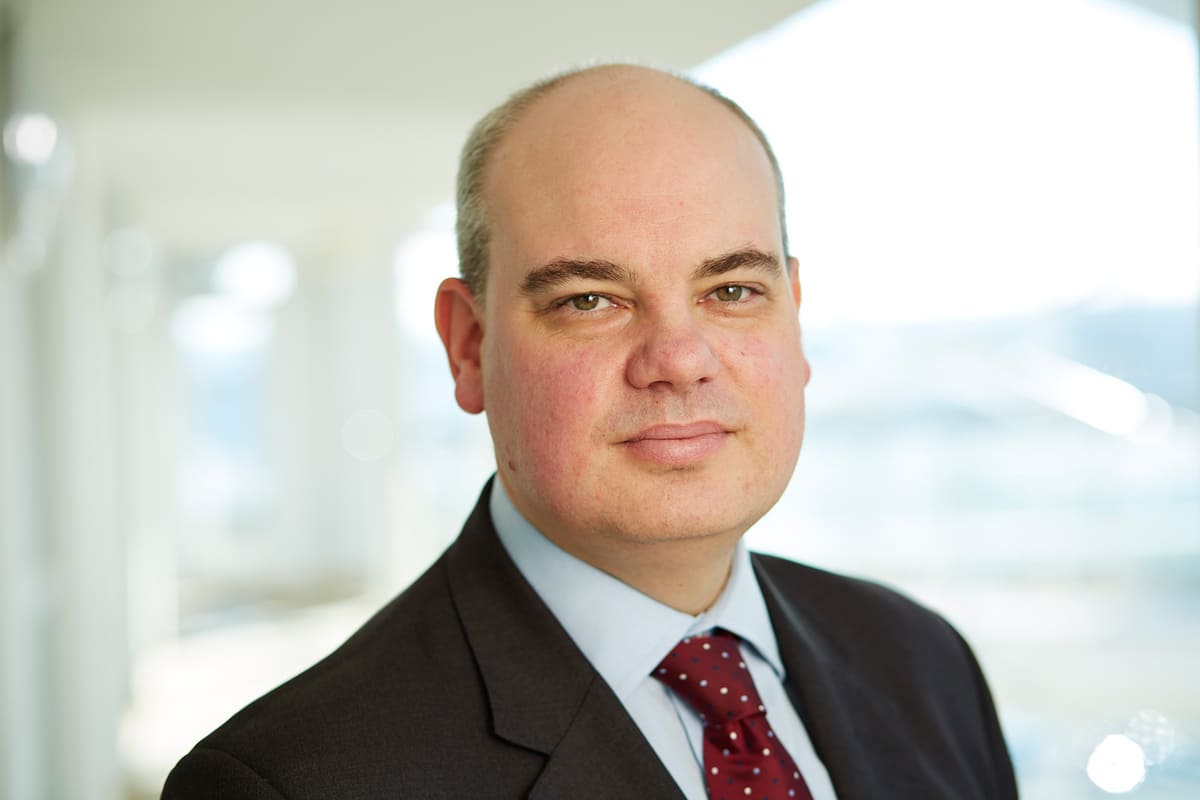
Paul Hirst is head of transport and partner, Addleshaw Goddard