
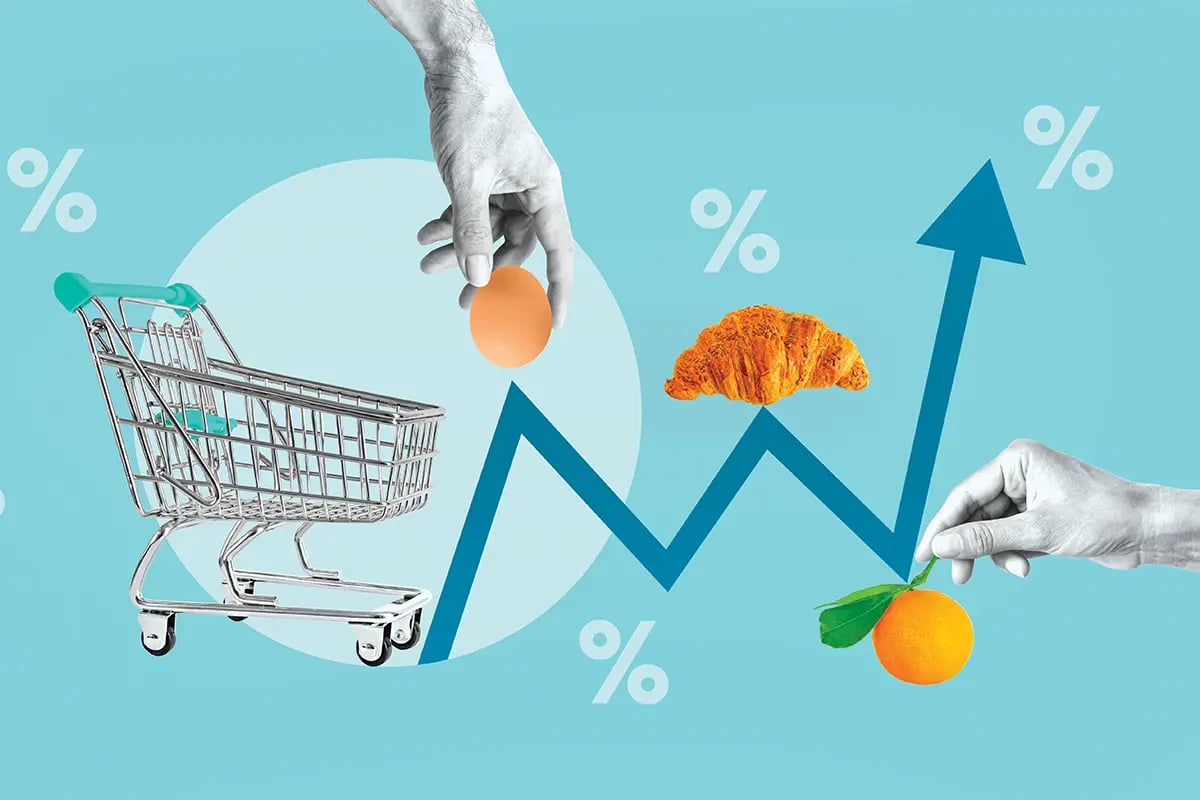
Most markets demand trade-offs: Affordable or healthy, convenient or high-quality, local or global. But for Saudi Arabia’s dynamic, digitally-savvy and health-conscious consumers, compromise is no longer an option. They expect it all and are increasingly getting it.
PwC Middle East’s latest survey and report ‘Voice of the Consumer 2025: Saudi Arabia findings’ shows that cost, health and convenience now dominate consumer choices. But beneath the headline trends lies something more profound: A structural shift in how value itself is defined.
The economics of no trade-offs
When asked about the biggest threats to their country, nearly half of the respondents we surveyed in the kingdom ranked cost of living among the top three threats likely to impact the country in the next 12 months.
Yet despite this concern, 47 percent eat out at least once a week, 53 percent regularly order takeaways and a similar proportion, 55 percent, buy prepared food – well above global averages of 29 percent, 34 percent and 38 percent, respectively But what looks like contradiction is, in fact, adaptation.
Consumers in Saudi Arabia are stretching their budgets to preserve what matters most: Convenience and choice. Survey data shows that consumers are switching brands, chasing promotions and reallocating spend to protect the categories they value. Even under price pressure, buyers in the kingdom are adapting, rather than giving up on convenience.
For businesses operating in Saudi Arabia’s food economy — this means demand is more resilient than headline concerns suggest. This resilience is a sign that the food economy is not retreating under cost pressures, but instead it’s reconfiguring. Food services, aggregators and delivery platforms are benefiting from consumers’ willingness to trade across categories and they remain strong areas of opportunity even when there are cost-of-living concerns.
Health as a growth sector
Health-conscious consumption has become mainstream. It’s shifted from aspiration to allocation and people are putting real money into the products, services and technologies that improve their lives. A significant 74 percent of Saudi consumers (vs. 69 percent regionally and 46 percent globally) rate their health as excellent or very good, despite concerns around the growing rates of obesity and its link to chronic illnesses.
Fresh produce is also a clear priority: 66 percent of consumers say they plan to increase their consumption in the next six months, aligned with the regional average but significantly higher than the global 56 percent. At the same time, more than 60 percent are very to extremely concerned about the risks of ultra-processed foods and the use of pesticides.
The rise of wearables, weight-loss drugs and health apps creates a loop: People are keen to track their bodies, invest in pharmaceuticals and then turn back to the supermarket with new expectations. They want food that heals, food that performs, food they can trust.
For businesses, this is an unmistakable signal. Digital health platforms, functional foods, personalized nutrition and pharmaceutical interventions are expanding into mass-market territory. The long-term return lies in lowering the burden of chronic disease, reducing healthcare costs — directly aligned with Vision 2030’s ambition to create a healthier, more productive society.
Capital flowing into this sector is not speculative — it’s strategic. By strengthening consumer health, it expands purchasing power, reduces fiscal pressure on public healthcare systems and enhances workforce competitiveness. As health reshapes consumer expectations of what food should deliver, attention is turning not only to function but to provenance of where that food comes from and how it supports the wider economy.
Local as strategic capital
Consumers are also leaning into local products. Thirty-four percent of buyers we surveyed already buy local, motivated by higher quality, a desire to contribute to the domestic economy and health benefits. Yet the barriers are there with limited variety, patchy access and higher costs, meaning that 56 percent would still choose a cheaper import if available.
Scaling local production at affordable prices is not just a route to consumer loyalty — it is a foundation for GDP diversification and food security. For businesses, capital deployed into local sourcing, supply chain efficiency and pricing innovation offers an increased market share.
Local food production is not just patriotic branding. It’s strategic capital allocation that supports resilience and food security, reduces import dependency, creates domestic employment and fulfils consumer desire. This will transform food from a cost center into an asset class that delivers both economic and social dividends.
The screen is the food souk
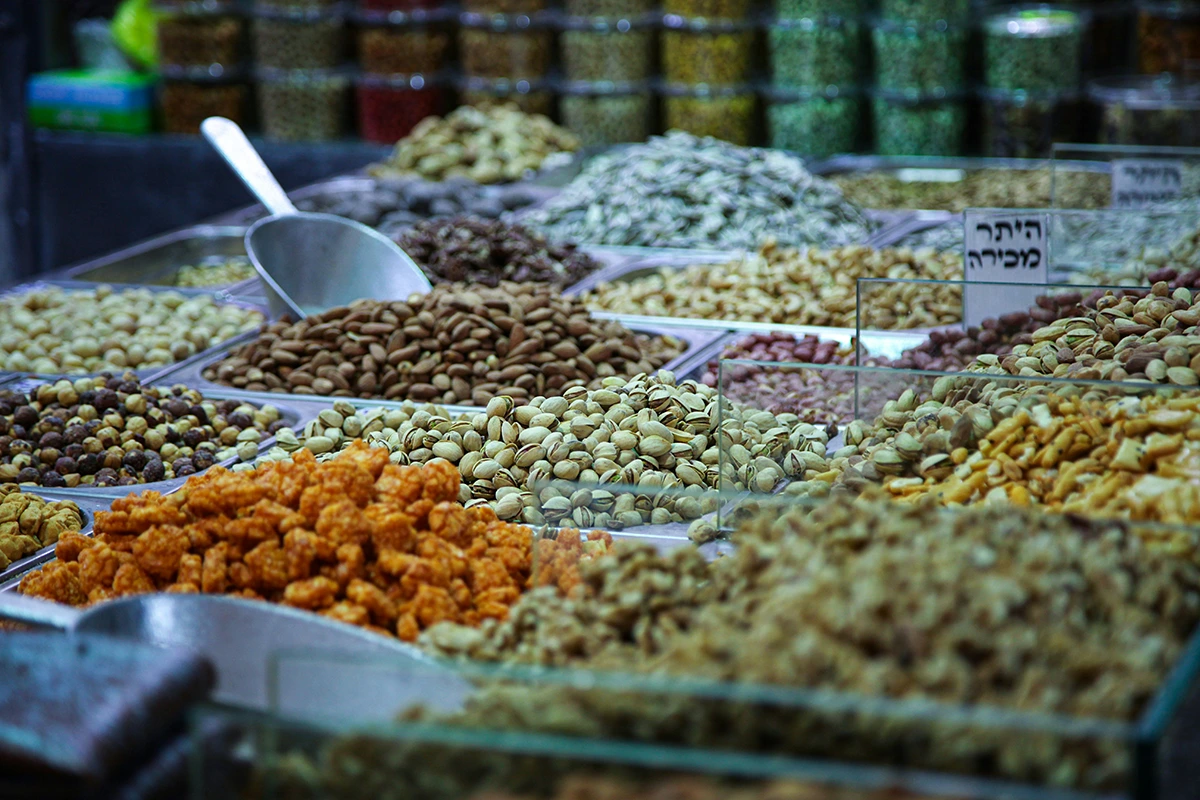
And just as consumers are looking more closely at what they eat and where it comes from, they are also transforming how they buy it. The new food souk is not a market square but increasingly a screen. Decisions are made in apps, margins are fought in algorithms and the battle for loyalty plays out in a digital arena that never closes.
Forty-eight percent of Saudi consumers use on-demand grocery delivery compared to 28 percent globally. One third prefer meal-kit delivery versus 15 percent globally. More than half buy prepared food.
This digital-first behavior makes apps, platforms and AI recommendations the front line of competition. For retailers, investment in digital infrastructure is becoming increasingly central to profitability and market positioning.
For the wider economy, demand for delivery and platform services drives growth in logistics, payments, data analytics and AI. These are spillover benefits that extend well beyond food retail and reinforce Saudi Arabia’s ambition to lead the region’s digital economy.
Sustainability is now price-aligned
Saudi consumers care about sustainability, but it is not the decisive factor. Only 66 percent of our survey respondents say they’re concerned about climate change, versus 82 percent globally.
Thirty-eight percent are willing to pay more for sustainable food, but 45 percent remain undecided.
For business, sustainability must be integrated in their value chains without a heavy price premium. What was once a moral choice is now an economic logic, embedded into packaging, pricing and supply chains. This is economics by design. Done right, it reduces energy use, cuts waste and turns efficiency into profit.
Read| DXC Technology: Transforming government and finance through AI solutions, talent development
The financial case for co-creation
The future of Saudi Arabia’s food economy will not be shaped by consumers alone. It will be shaped by collaboration between consumers, retailers, producers, innovators and policymakers.
This means capital flowing into ecosystems, not silos. For investors, the biggest gains will come from co-creation — deploying capital into partnerships that expand the value chain and align with national priorities.
The “no-trade-off” consumer is here to stay and that raises a bigger question. If the rules of value are being rewritten in food, the most basic of markets, what happens when this model spreads to everything else?
Imad Matar is PwC Middle East Deals advisory and Transaction Services leader.