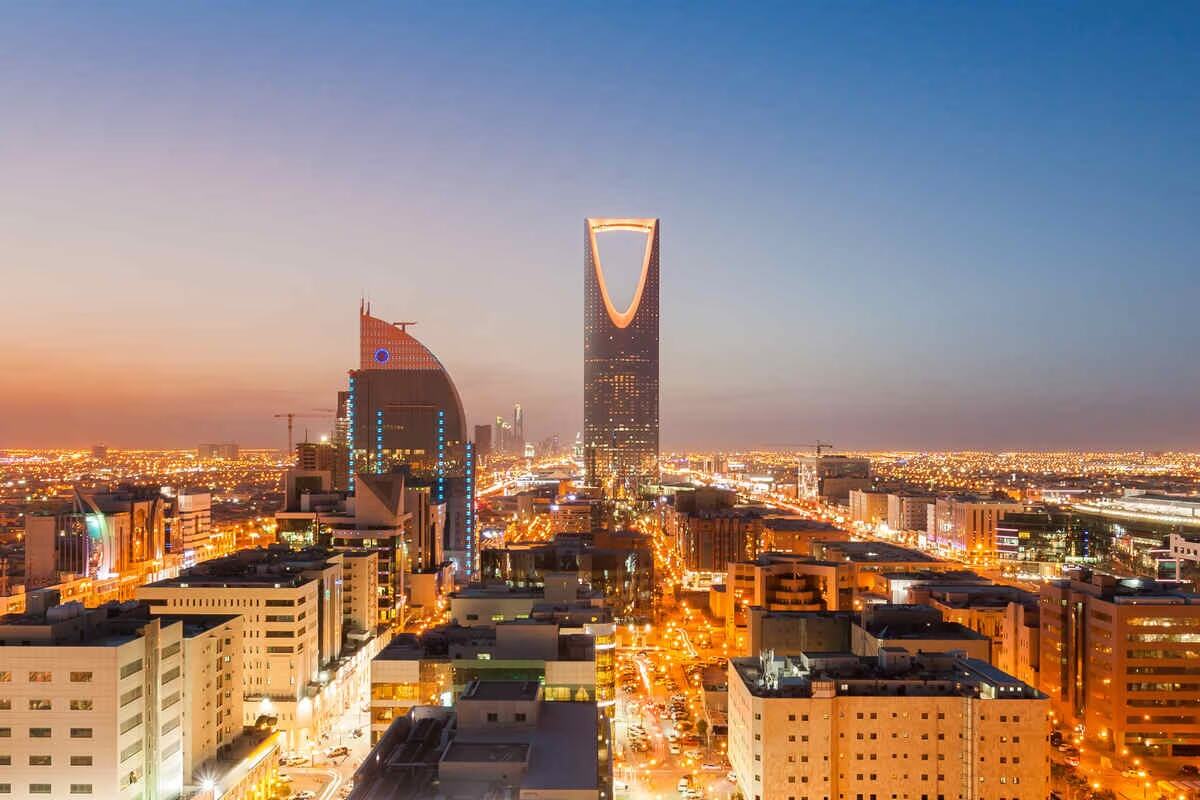
Saudi banks are anticipated to maintain robust lending growth, according to S&P Global Ratings, as they respond to the financing needs related to Vision 2030. These banks will also continue to tap into external funding sources to fuel their growth. Nonetheless, the reportes foresees a minor dip in profitability due to declining interest rates, while asset quality metrics should stabilize with reduced write-offs. Potential risks may stem from a considerable and prolonged drop in oil prices or heightened geopolitical instability.
The outlook for economic growth in Saudi Arabia appears generally supportive, with both non-oil and hydrocarbon sectors contributing. Factors driving this growth include increased household spending, a rise in oil output due to lax OPEC+ quotas, and the Public Investment Fund’s considerable investments in diversification efforts, surpassing $40 billion each year.
Corporate lending driven by Vision 2030 opportunities
A sudden and substantial decline in Brent oil prices below S&P’s projected $60 per barrel in 2026, or a significant increase in geopolitical risks in the region, could impact Saudi Arabia’s economic growth prospects and limit lending opportunities for banks. However, this is not the agency’s primary scenario as it anticipates that banks will continue to perform well, with a 10 percent growth in lending in 2026 compared to 11 percent in the year ending November 30, 2025.
“We expect that corporate lending will continue to benefit from the opportunities arising from Vision 2030 projects,” S&P noted. The agency anticipates Saudi banks to extend $65 billion-$75 billion in new corporate loans in 2026, fueled by high investments, primarily in the real estate and utilities sectors. New corporate loans amounted to $70 billion between Dec. 31, 2024, and Nov. 30, 2025.
Retail lending, especially mortgages, represents another key growth opportunity for banks, particularly as interest rates keep declining. This sector, with mortgages making up about half, rose by 5 percent in the year up until November 30, 2025. The agency anticipates it to increase by close to $20 billion in 2026 from $18 billion as of November 30, 2025.
The agency further noted that it forecasts the Saudi government and its related entities to continue injecting deposits into the banking system to support credit growth. Government and government-related entity (GRE) deposits reached 32 percent of total deposits by November 2025, up from almost 20 percent in 2020, outpacing the growth in private-sector deposits.
Rising loan-to-deposit ratios anticipated
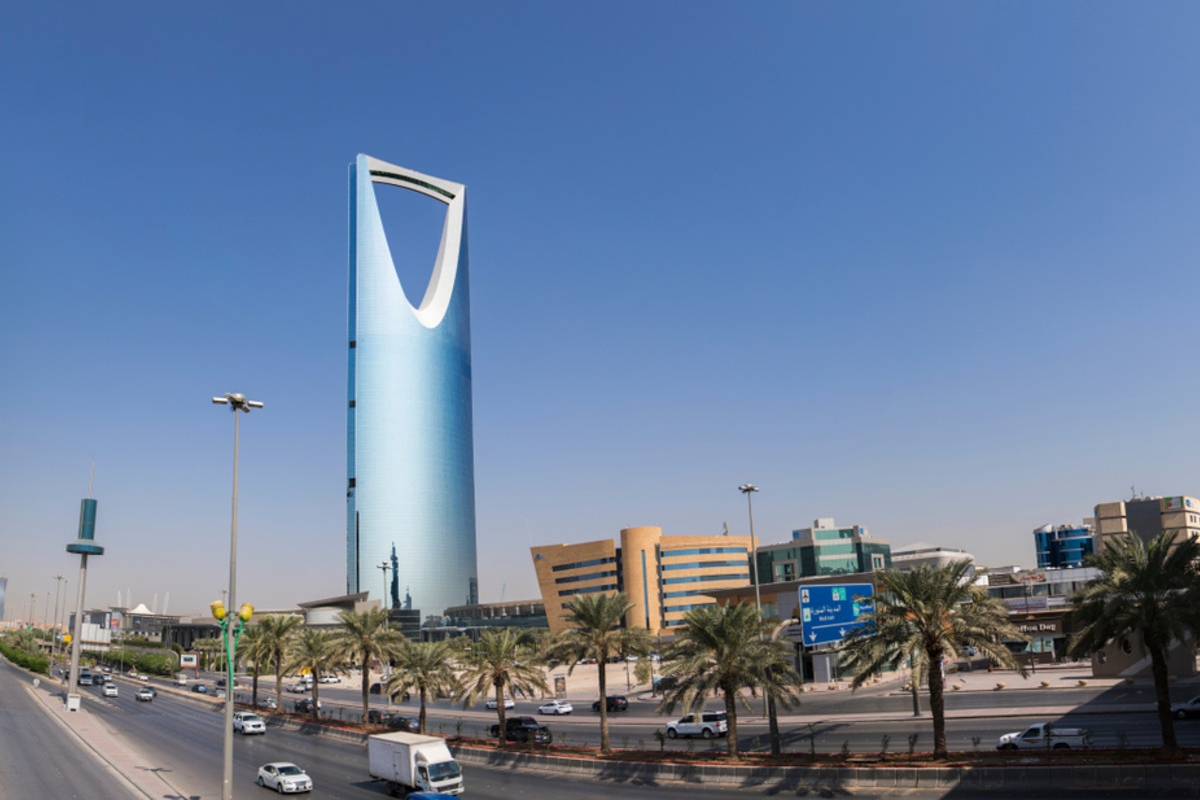
Despite this, deposits were inadequate to fully support the expansion of the lending book. Thus, S&P anticipates that banks’ loan-to-deposit ratios will continue to rise beyond the 113 percent mark recorded at the end of November 2025. The report foresees banks to seek external debt to bridge this gap, which will increase net external debt as a share of total loans from 6 percent as of November 2025, a level the agency views as manageable.
Improved liquidity in the global capital markets and declining interest rates will also provide support. These lower rates could incentivize banks to either begin divesting mortgages to the Saudi Real Estate Refinance Co. or to issue residential mortgage-backed securities, thereby creating additional financing capacity on their balance sheets.
Strong asset quality indicators expected
“We expect Saudi banks’ asset quality indicators to remain strong in a regional comparison. However, we project that the banking sector’s nonperforming loan (NPL) ratio will reach 1.6 percent-1.7 percent in 2026, with a cost of risk of 55-60 basis points (bps), up from 1.1 percent and approximately 25 bps on an annualized basis for the year to Sept. 30, 2025. Banks’ cost of risk is normalizing following the strong recoveries they have recorded over the past few years. Nevertheless, banks’ exposure to riskier sectors–such as micro, small, and midsize enterprises–and the likelihood of lower write-offs will increase the NPL ratio,” the agency remarked.
In retail lending, borrower salaries generally back the exposures, and the risk of job losses in Saudi Arabia is quite minimal, particularly for government and GRE employees. Regarding corporate lending, it is understood that banks have experienced growth in recent years while maintaining their risk appetites and lending standards. However, Saudi banks have issued $379 billion in new loans over the past five years in a favorable economic climate. An unforeseen deterioration in this environment could challenge these loans and result in higher non-performing loans (NPLs).
Robust capitalization among Saudi banks
Greenfield projects account for a significant share of Saudi Arabia’s investment pipeline, which surpasses $1 trillion. While these efforts aid in the country’s long-term economic transformation, they come with increased execution, cost-overrun, and operational risks. As these projects progress, banks may become more sensitive to asset quality throughout the entire value chain, involving contractors, suppliers, and project developers.
S&P further said, “We expect banks’ profitability to remain strong. However, it will likely decline slightly due to lower interest rates. We expect that strong lending growth will partly mitigate the pressure on net interest margins, which we believe will contract only slightly. This contraction, coupled with a higher cost of risk, means that we expect banks’ return on average assets to dip slightly to 2.2 percent in 2026. We expect banks to continue to invest in digitalization to further optimize their operating efficiency.”
Saudi banks continue to demonstrate strong capitalization. On September 30, 2025, rated banks reported a tier 1 capital adequacy ratio of 18.4 percent and an average risk-adjusted capital ratio of 13.1 percent as calculated by S&P Global Ratings at year-end 2024.
However, hybrid instruments now account for 19 percent of their reported common equity on average. Alinma Bank and Saudi Investment Bank had the highest contributions of 32 percent and 30 percent, respectively, as of September 30, 2025. Conversely, Saudi National Bank and Arab National Bank contributed the least, registering 9 percent and 16 percent, respectively.
An increase in the reliance on hybrid instruments could weaken S&P’s assessment of banks’ capital quality. “We expect banks to maintain a conservative average dividend payout ratio of about 50 percent, which will aid in their internal capital generation.”
Surge in private capital financing
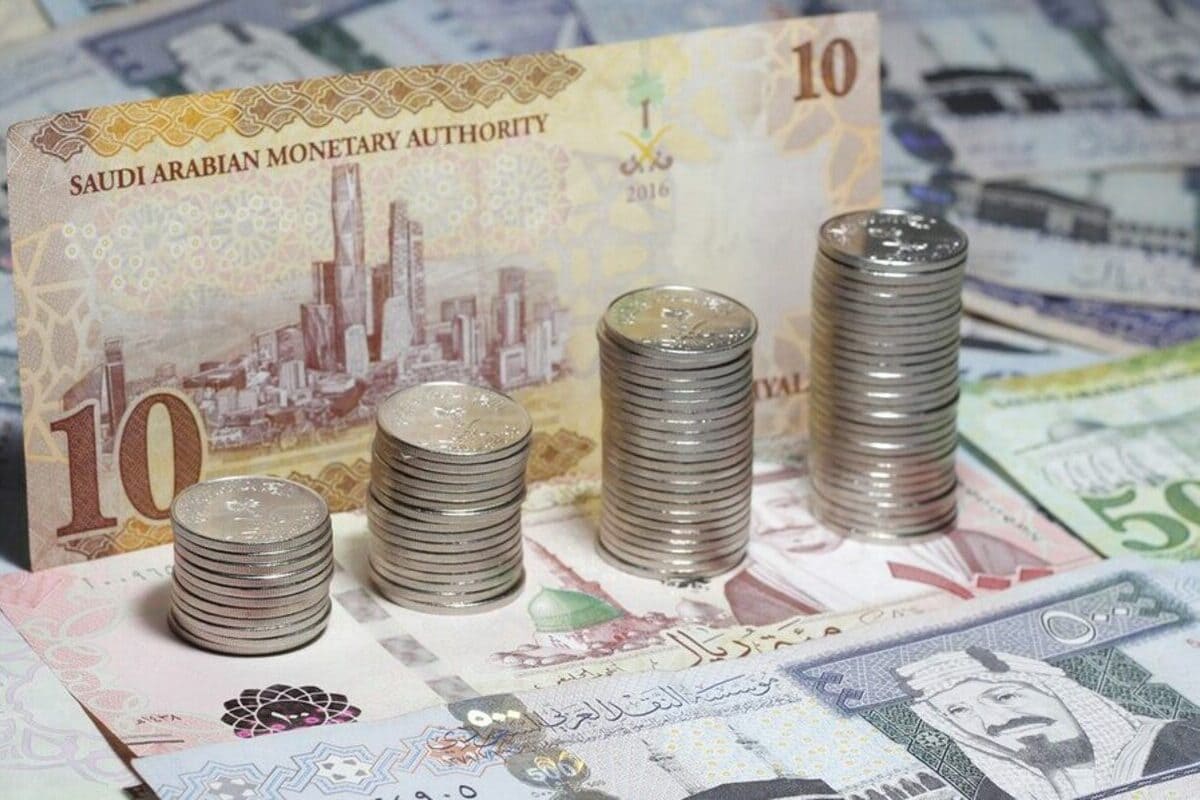
Private capital financing makes up a minimal share of Saudi Arabia’s total debt stock, at 2 percent based on S&P Global Market Intelligence data. Nonetheless, it has surged tenfold since 2020, reaching $3.7 billion in 2024. The considerable funding demands linked to Vision 2030 and the expansion of the small-to-midsize enterprise sector create important opportunities for private capital financing to offer loans to the domestic market in collaboration with banks.
As of year-end 2024, banks’ total direct exposure to sectors impacted by the energy transition constituted 14 percent of their overall lending portfolio. Indirect exposure is notably higher, owing to the still substantial but decreasing role hydrocarbons play in the nation’s economy and fiscal income. The paper foresees that banks will keep focusing on sustainability in their lending, investment, and funding choices.
“All our Saudi bank ratings carry stable outlooks. We also see stable trends for economic and industry risk under our Banking Industry Country Risk Assessment for Saudi Arabia. We therefore expect Saudi bank ratings to remain unchanged in 2026. Geopolitical turmoil and a material and extended decline in oil prices are the main risks. At the same time, we are keeping an eye on banks’ external debt accumulation and the evolution of their capital quality,” S&P concluded.
For more news on banking & finance, click here.