Saudi Arabia’s oil export revenues have risen after hitting a low in May as higher oil production due to OPEC+ quota increases and a price recovery led to higher earnings.
With gas production rising, the kingdom is on track to satisfy growing demand for gas for electricity generation and curb the costly and environmentally harmful practice of burning oil to generate power, thereby freeing up more crude oil for export.
Oil export revenues dropped to a four-year low of $15.8 billion in May as oil markets were roiled by the announcement of sweeping US trade tariffs in April.
But by June, revenues had risen to a three-month high of $17.2 billion as oil prices rose briefly during the 12-day Iran-Israel war. While prices have since fallen back, they remain above May levels.
Despite low oil prices pushing Saudi Arabia’s budget into deficit, preliminary government figures show that economic activity remained strong.
The data showed that the economy grew by 3.9 percent in the second quarter and the industrial production index (IPI) was up 7.9 percent year-on-year in June to 111.9, the highest since January 2023.

Higher export earnings expected
The improved price environment since the May dip coincided with the accelerated unwinding of OPEC+ voluntary cuts that began in April. The new allocations raise Saudi Arabia’s quota by 1 million b/d to 9.978 million b/d in September.
If coupled with higher prices, this would mean higher oil export earnings in the final quarter of the year, welcome news for Riyadh as oil export receipts make up 70 percent of total export revenues.
These price gyrations were reflected in Saudi Aramco’s second quarter results, which showed that net income fell by 22 percent year-on-year to $22.67 billion as the average realized price of its crude oil fell below $70 per barrel for the first time since 2021.
However, the Saudi oil giant is sticking to its dividend and investment strategy regardless. The company aims to maintain crude oil production capacity at 12 million b/d but greatly boost gas production.
Aramco steps up on gas investment
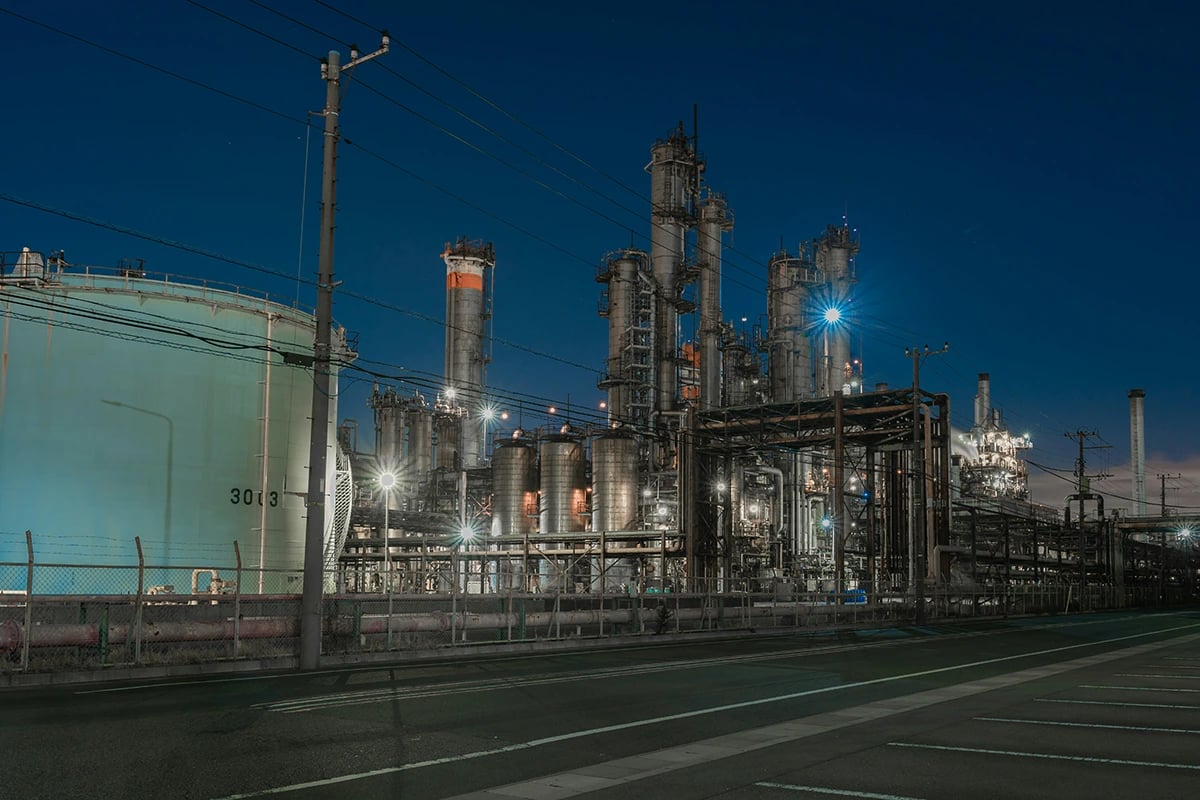
Rather than protect its free cash flow, Aramco is proceeding with its huge investment program with a focus on gas. It aims to maintain crude oil production capacity at 12mn b/d but is targeting a 60 percent increase in gas production capacity by 2030, both conventional and unconventional gas.
The biggest such project is the Jafurah unconventional gas field development, where Saudi Aramco secured a lease and leaseback deal for $11 billion with a consortium led by BlackRock’s Global Infrastructure Partners.
First gas from the 200 trillion standard cubic feet (scf) field is due online in the fourth quarter. This means that Saudi gas production is on track for its largest annual increase in at least a decade.
Total gas output, which includes sales gas and ethane, was already up by more than 6 percent year-on-year during the first half of 2025 with major new increments due online by year-end.
Associated gas output will rise further through the third quarter as OPEC+ crude production cuts are eased and two major gas projects are due to start operations before the end of the year.

Gas shortfall hounds kingdom
Despite higher gas production, Saudi Arabia still suffers from a gas shortfall to supply power plants, forcing it to burn oil – both crude oil and liquid fuels – to generate electricity.
The amount of oil used in power generation has averaged more than 1 million b/d in recent years but has been in decline since 2022, largely because it is being displaced by natural gas. Statistics compiled from the Joint Organizations Data Initiative (JODI) show that direct oil burn averaged 943,000 b/d during the first half of this year even as electricity demand soared by 10 percent year-on-year.
The improved outlook for gas is due mainly to stepped up investment in non-associated gas fields as well as a contribution of associated gas due to rising oil production since the OPEC+ tapering began in April. But the main growth has come from non-associated gas projects that came online in 2023.
Aramco completed the 1.07 billion cubic feet per day Hawiyah Gas Plant expansion project, the nine Hawiyah and Haradh compression plants, and the 300 million cfd first phase of the South Ghawar unconventional development in the second half of 2023.
Later this year, Aramco is due to bring online the 2.6 billion cfd Tanajib gas processing plant, which will handle associated and non-associated gas from the Marjan and Zuluf offshore expansion projects, yielding 650 million cfd of sales gas.
The Marjan, Zuluf and Berri oil field expansion projects will produce 1.15 million b/d of crude oil, which will replace natural decline at older fields and maintain total oil production capacity at 12 million b/d.
The next big project is the 1.3 billion cfd expansion of the 2.5 billion cfd Fadhili gas processing plant, which will take capacity up to 3.8 billion cfd when completed by 2027.
Overall, Aramco plans to increase gas production capacity to around 15 billion cfd by 2030 as part of the liquids displacement program to eliminate oil burn by 2030, by which time it hopes to have a 50:50 mix of renewables and gas in the power sector.
Read: Shipping industry under increasing pressure to decarbonize
Supercharging renewable energy drive
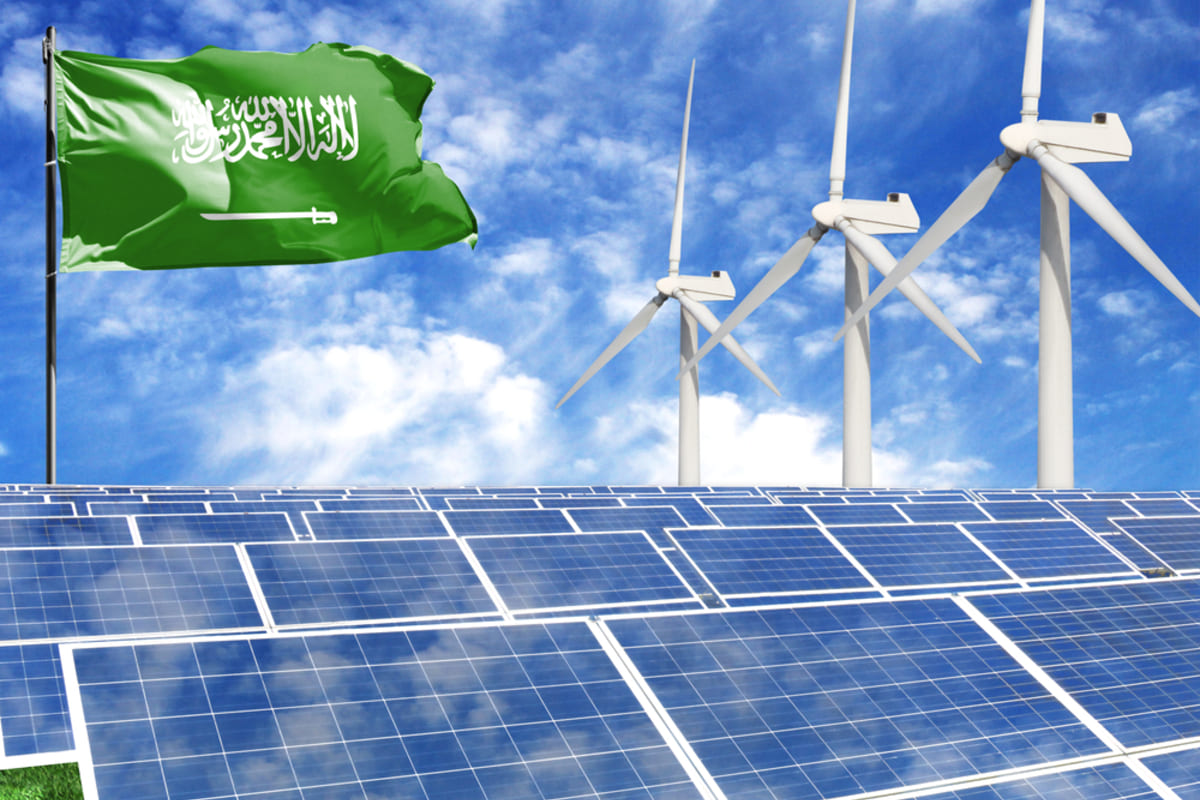
In response to sharply higher demand for electricity, Saudi Arabia has supercharged its renewables energy drive with a series of multiple awards to developers – in July 15 gigawatts of power purchase agreements were concluded.
As a result, total renewables capacity is expected to rise to 12.7GW by the end of 2025 and 20GW next year. The Saudi Electricity Company (SEC) expects around 71GW of renewable capacity added to the grid by the end of 2027.
As renewables are expected to make up a significantly larger share in the power mix, the SEC is investing in battery storage facilities to manage intermittency.
With Saudi Aramco maintaining its investment strategy regardless of oil price movements and the government setting clear policy guidelines and targets, Saudi Arabia is well on the way to achieving its target of eliminating oil burn and transforming its power grid to one that runs on gas and clean energy with sufficient backup to maintain grid stability.